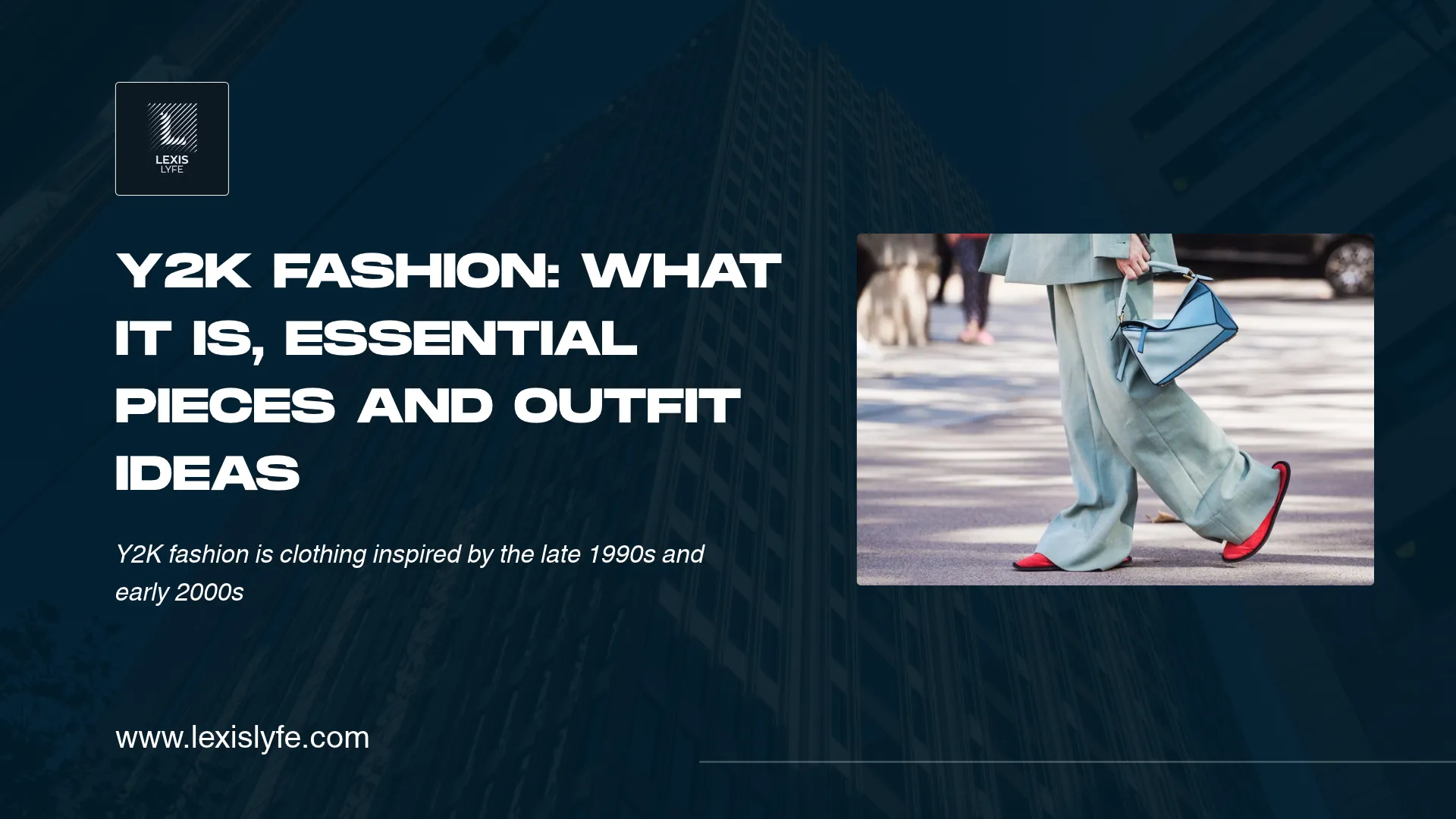
Y2K Fashion: What It Is, Essential Pieces and Outfit Ideas
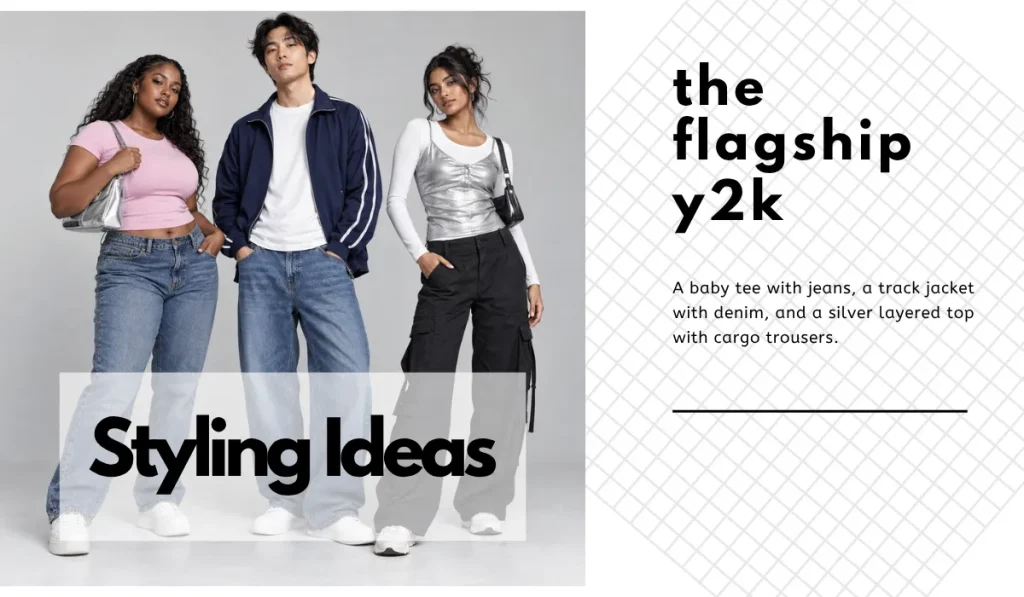
A baby tee, loose jeans, and a small shoulder bag can say early 2000s before you add a single butterfly clip. That is the appeal of Y2K fashion: a few recognizable details can change the mood of clothes you already own. The harder part is choosing the details that work for your life, rather than buying an entire outfit for its nostalgic label.
This guide explains what the term means, where the look came from, and which tops, jeans, shoes, and accessories help you build it. You’ll find outfit ideas for women, men, and anyone who prefers to mix those categories, plus practical options for different sizes, coverage preferences, seasons, and occasions.
We’ll also separate futuristic millennium style from rhinestone-heavy McBling, explain how to check secondhand pieces, and build a small wardrobe around repeatable combinations. You can enjoy the reference without copying every rule of the original era.
What Is Y2K Fashion?
Y2K fashion is clothing inspired by the late 1990s and early 2000s, combining millennium-era futurism with pop, hip-hop, sportswear, and everyday dressing. Recognizable pieces include baby tees, loose or low-rise jeans, cargo pants, metallic accessories, small shoulder bags, and tracksuits. Today, the label also covers broader early-2000s revival looks.
Named for year 2000, the term describes a collection of references rather than a uniform worn by everyone at the time. A silver top and wraparound sunglasses tell a different story from a pink velour tracksuit, even though both can appear under the same shopping label.
The Consumer Aesthetics Research Institute’s Y2K archive emphasizes shiny materials, futuristic eyewear, and the visual language of emerging consumer technology. That narrower design meaning helps explain why some outfits look more cyber-inspired while others look like a celebrity’s casual wardrobe.
You do not need a particular body type, gender presentation, or exposed midriff to wear the style. The reference comes from the clothes and how you combine them. A full-length tee, comfortable jeans, and a compact metallic bag can communicate the idea just as clearly as a cropped outfit.
For an easy starting point, choose one familiar silhouette and one recognizable detail: relaxed denim with a fitted tee, for example, finished with a shoulder bag or slim-framed sunglasses.
Which Essential Pieces Create the Look?
Build a Y2K wardrobe around versatile tops, denim or cargo bottoms, a useful layer, comfortable footwear, and a small selection of accessories. Prioritize pieces you can repeat across outfits. Low-rise cuts, visible logos, and short hemlines are options; you can choose other rises and lengths while retaining the overall style.
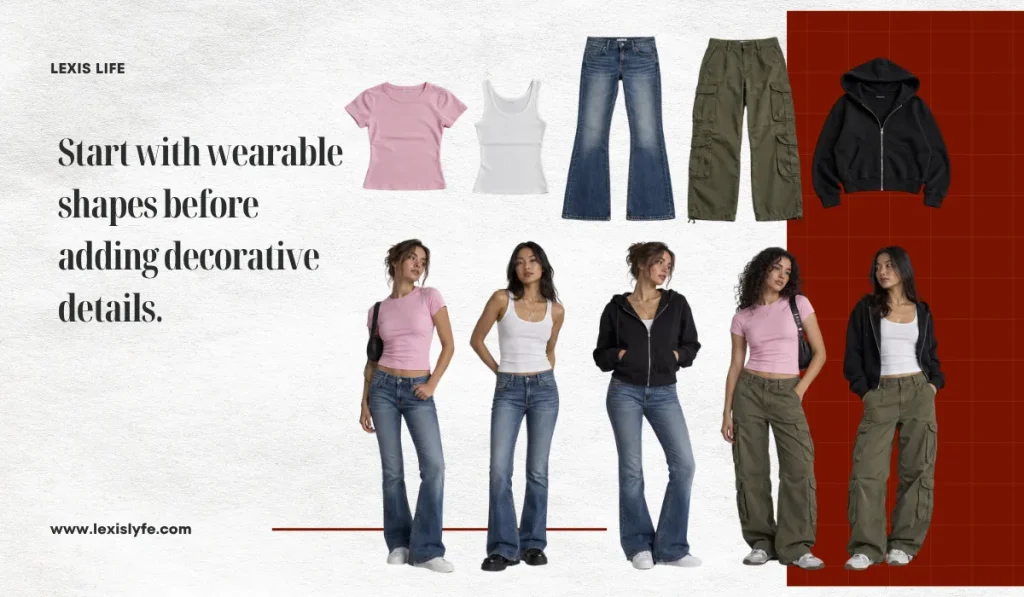
Baby Tees, Tanks, Camisoles, and Graphic Tops
A baby tee is a small, close-fitting T-shirt, sometimes cropped. Look at shoulder seams, sleeve length, and fabric stretch rather than assuming every fitted tee will sit the same way. If you want more coverage, choose a longer hem with the same compact shape.
Ribbed tanks make useful base layers. A lace-trim camisole adds a softer finish; a halter or asymmetrical top creates a more obvious party reference. Mesh and crochet can add texture over an opaque tank without becoming the only layer between you and the weather.
Graphics can be playful without overwhelming the outfit. Try a butterfly, star, cherry print, abstract design, or short slogan you actually like. A dated phrase is not automatically better than a plain tee, and a large brand logo is never compulsory.
- Choose a neckline that works with the layers you plan to wear.
- Check that a pale fabric has the opacity you want in daylight.
- Match the top’s length to where your trousers sit when you move.
- Leave enough shoulder room to reach and carry a bag comfortably.
Jeans, Cargo Trousers, and Skirts
Rise and leg shape are separate choices. Low-rise describes where the waistband sits. Bootcut, flared, straight, and wide-leg describe the shape below it. You can wear a high-rise flare or low-rise straight jeans; neither term tells you the other measurement.
Cargo trousers bring pockets and a relaxed, practical shape. Choose pocket placement you enjoy and fabric that bends easily at the knee. Very stiff side pockets can catch against chairs or make an otherwise comfortable pair awkward for a desk day.
Denim minis, pleated skirts, and cargo skirts offer different versions of the reference. A midi length is a useful adaptation if you want more coverage. For double denim, you can match washes closely or make their difference obvious; an almost-match is simply another styling choice.
| Piece | Recognizable detail | Practical alternative |
|---|---|---|
| Low-rise jeans | Waistband sitting lower on the hips | Mid-rise jeans with a similar leg shape |
| Baby tee | Close fit and compact length | Fitted full-length tee |
| Cargo trousers | Relaxed legs and utility pockets | Soft straight trousers with simple pocket details |
| Mini skirt | Short denim, pleated, or cargo shape | Denim midi or longer pleated skirt |
| Metallic top | Reflective finish | Small silver bag with a plain top |
| Matching tracksuit | Coordinated zip jacket and trousers | Wear either half with existing basics |
Tracksuits, Cardigans, and Jackets
A velour tracksuit gives you a coordinated outfit with little planning. Check the waistband, pocket lining, and zip before buying. You can also split the set: wear the hoodie with jeans or the trousers with a plain fitted tee.
Short cardigans work over tanks or dresses. Zip hoodies, denim jackets, and track jackets suit more casual combinations. For a subtle approach, keep your outer layer plain and let the shape of the jeans or bag carry the reference.
Tie-dye can work as the main color feature of a tee or hoodie. Pair it with a quieter bottom first, then decide if you want another print. There is no benefit in adding three unrelated patterns simply because each appears on a nostalgic mood board.
Shoes, Bags, Jewelry, and Hair Accessories
Platform sneakers, substantial sandals, square-toe shoes, and small shoulder bags offer clear starting points. Choose footwear for the amount of walking you actually do. A low heel, flat sneaker, or stable boot can finish the outfit without making the shoe its main event.
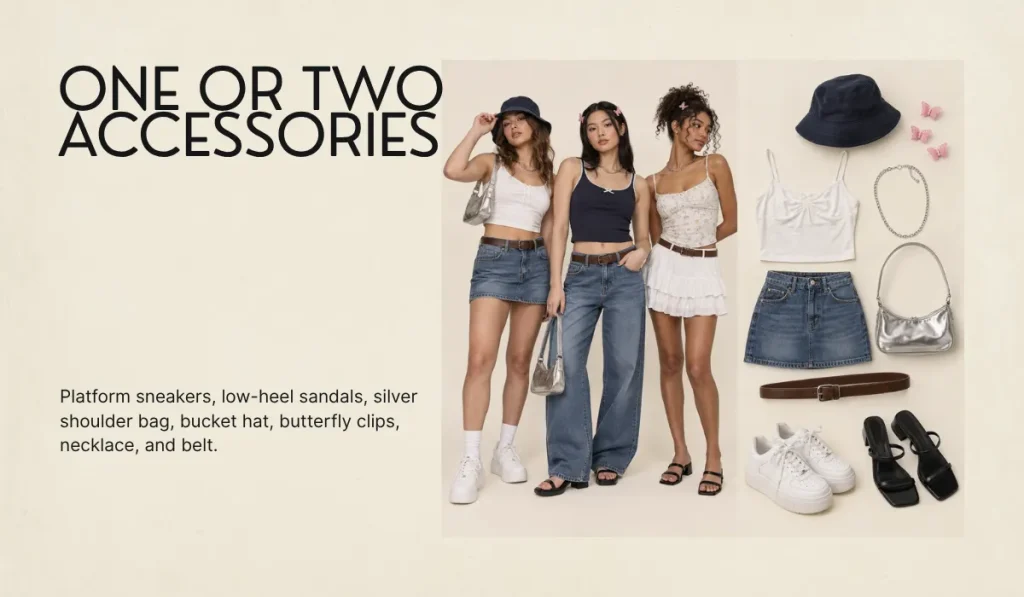
Bucket hats and bandanas bring color near the face. Butterfly clips, a simple choker, layered beads, hoops, or a chain give you other small-scale options. Start with the accessory you would happily wear again outside this particular outfit.
If glasses are for outdoor use, check their stated sun-protection specification rather than choosing by lens color alone. A decorative accessory and an everyday essential need different buying checks.
Where Did the Style Come From, and Why Does It Keep Returning?
The look draws from overlapping influences: pop performers, hip-hop communities, sportswear, teen media, nightlife, and technology-inspired design. Its revival lets people revisit those references through secondhand clothes, new collections, and personal styling. There was no single inventor, and a revival does not reproduce every part of an era unchanged.
Pop Culture, Hip-Hop, and Technology
Britney Spears, Christina Aguilera, Destiny’s Child, Jennifer Lopez, and Paris Hilton provide recognizable pop-culture reference points. Their wardrobes also show why the era cannot be reduced to one silhouette: performance outfits, casual tracksuits, and red-carpet clothes served very different purposes.
Hip-hop deserves more than a passing mention. The Museum at FIT’s history of hip-hop style documents the influence of Black and Brown communities, designers, and artists, including the growth of FUBU, Rocawear, Phat Farm, and Baby Phat. Denim, sports references, customization, and luxury branding belong in that context rather than being treated as an anonymous internet aesthetic.
Futuristic materials also reflected excitement about consumer technology. Keep the chronology clear, though: Apple introduced the iPod on October 23, 2001, rather than in 2000. The visual influence developed across years instead of appearing fully formed on one New Year’s Eve.
Nostalgia and Newer Interpretations
A revival can appeal both to people remembering an era and people discovering it for the first time. Someone might enjoy the playful accessories, while another person prefers the practical shape of loose jeans. You do not need to share a nostalgic memory to enjoy the clothes.
Editors continued to discuss the style in 2026, including Who What Wear’s summer trend coverage. That supports describing it as an ongoing reference, but it does not predict that every individual piece will remain popular. Runway inspiration, celebrity styling, and your own wardrobe are three different things.
How Do Y2K, McBling, and Other Aesthetics Differ?
Y2K can mean either futuristic millennium design or a broader early-2000s clothing revival. McBling emphasizes showier luxury references, rhinestones, logos, and embellished casualwear. Other aesthetics can overlap in individual garments without sharing the same history. Use these labels to understand your choices rather than forcing every outfit into one category.
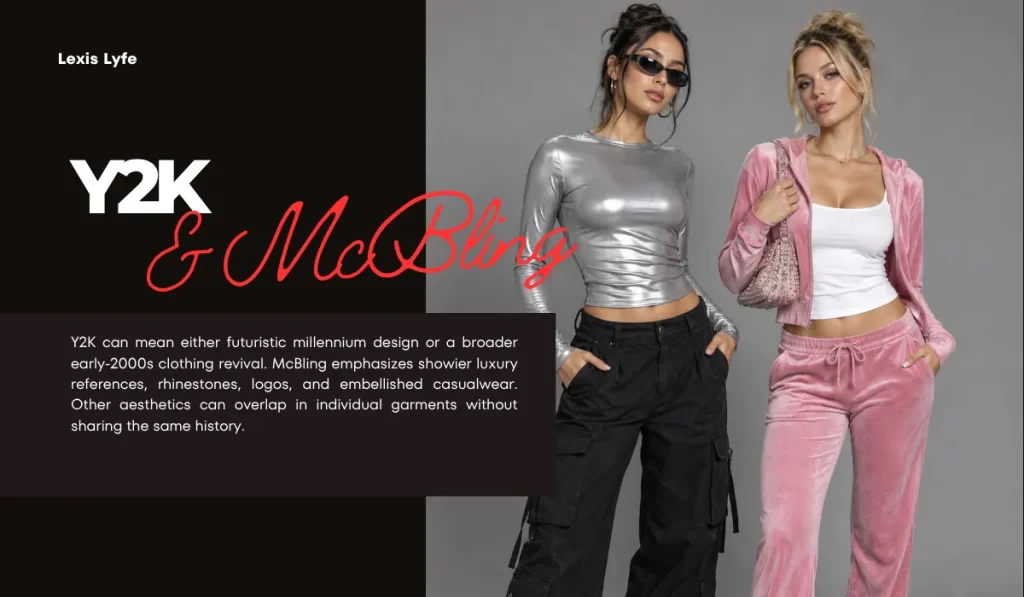
The CARI McBling archive describes a shift toward conspicuous luxury and maximalist decoration. Its categories are a research framework, not rules every shopper or seller follows. Expect labels to be used more loosely on resale listings and social platforms.
| Direction | Visual emphasis | Easy outfit starting point |
|---|---|---|
| Futuristic Y2K | Silver, glossy textures, technical shapes | Black cargos, reflective top, simple sneakers |
| McBling | Rhinestones, embellished bags, coordinated casualwear | Velour set and a small decorated accessory |
| Sporty early-2000s | Jerseys, track jackets, loose denim | Track jacket, plain tee, relaxed jeans |
| Minimal interpretation | Clean basics with a recognizable proportion | Fitted tank, bootcut trousers, compact bag |
| Boho crossover | Crochet, soft layers, fluid fabrics | Crochet layer over a tank and denim |
Cute motifs can overlap with kawaii outfit ideas, but the two styles have different reference points. Similarly, jirai kei fashion has its own context; a dark skirt and ribbons do not automatically make an outfit Y2K.
How Can You Build an Outfit That Feels Natural?
Choose an era reference, a supporting shape, and a practical finish. Then check the outfit while sitting, walking, and carrying your usual belongings. This reference-shape-function method is an editorial styling tool for this guide. It helps you make specific decisions without requiring a complete matching set or a new wardrobe.
Start With Reference, Shape, and Function
The reference is the detail you want people to notice: a silver bag, jersey, or flared denim. The shape is the relationship between the pieces, such as a fitted top with loose trousers. Function covers the needs that can ruin an otherwise appealing outfit: shoes, layers, pockets, and movement.
- Pick one item you already own and want to wear.
- Choose a single direction, such as sporty, minimal, or embellished.
- Add a top or bottom that gives you the proportions you prefer.
- Select footwear for the day’s walking and weather.
- Add one finishing accessory, then check the whole outfit in motion.
For example, navy cargos, a white tank, and sneakers form a practical base. A silver shoulder bag makes the reference clearer. If the weather turns cold, add a plain zip hoodie instead of rebuilding the outfit around another statement piece.
Adjust One Variable When Something Feels Wrong
If the combination feels too busy, remove an accessory or simplify a print. When the silhouette feels heavy, try a different top length before replacing the trousers. If it feels too plain, add texture, color, or shine in one place.
Keep the detail you enjoy and change the part that makes the outfit inconvenient. You might love the shape of a micro bag but need a slightly larger version that holds your phone. That adjustment makes the idea more useful and personal.
What Are Easy Y2K Outfit Ideas for Women and Girls?
Start with a fitted tee and relaxed jeans, a coordinated tracksuit, or denim separates, then adapt the length and coverage to your day. For evenings, try a reflective top with plain trousers.
These combinations use recognizable details without demanding low waistbands, very short skirts, expensive labels, or several statement accessories.
Baby Tee, Bootcut Jeans, and Sneakers
A pale pink tee with blue bootcut denim is an easy casual combination. Add white sneakers and a compact shoulder bag. Mid-rise jeans work well if you like the flared shape but do not want the waistband sitting low.
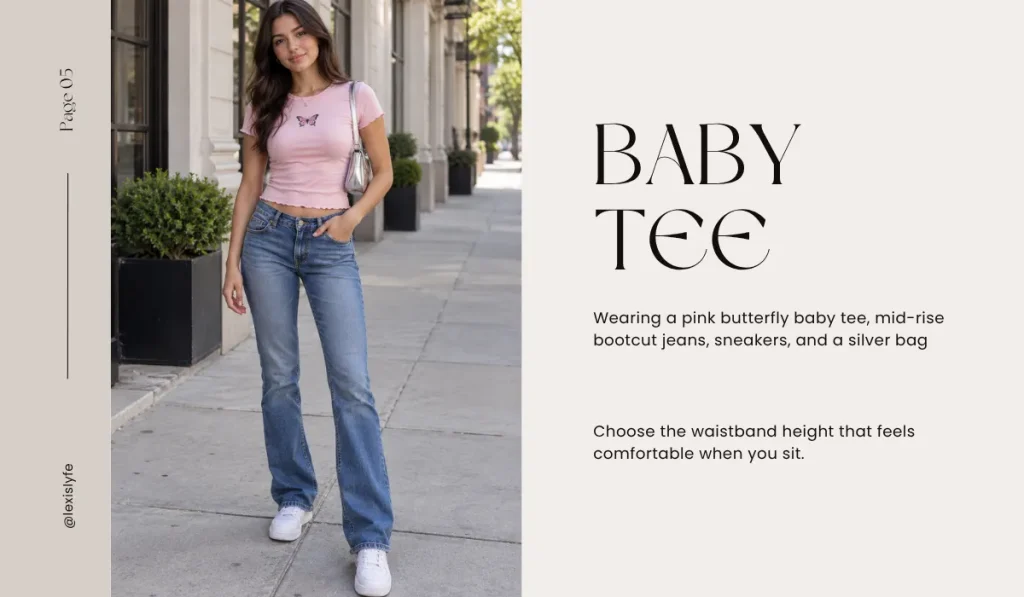
Try a full-length tee for extra coverage or a darker wash if you want less contrast. Check the hem with the actual shoes you will wear: a flare can look right in the mirror while dragging once you start walking.
Denim Skirt, Fitted Top, and Short Jacket
Pair a denim skirt with a close-fitting tee and a waist-length jacket. Use sneakers for walking or low-heeled boots for a dressier finish. A midi skirt is a useful alternative to a mini when you want the denim reference with a different length.
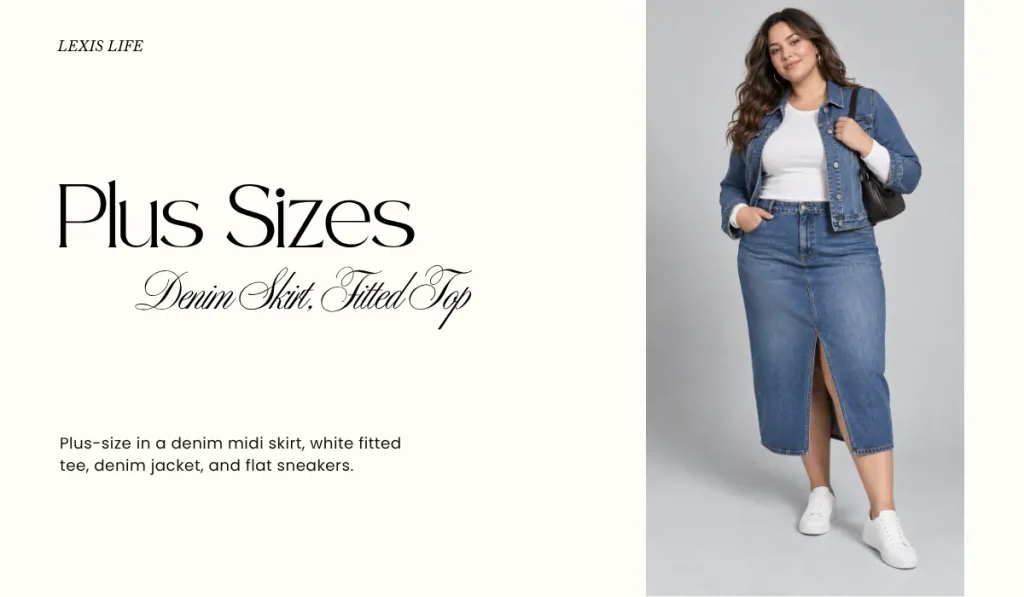
Keep the jacket open if you want the top to create a visible center line. Matching denim washes make the outfit coordinated, while contrasting washes help each garment stand out. Neither approach requires buying a set.
Velour Tracksuit With Simple Extras
A navy or brown velour set is an alternative to bright pink. Wear a plain tank or tee underneath, then choose sneakers and a bag that leave the texture visible. Zip the jacket to the point that feels useful for the weather.
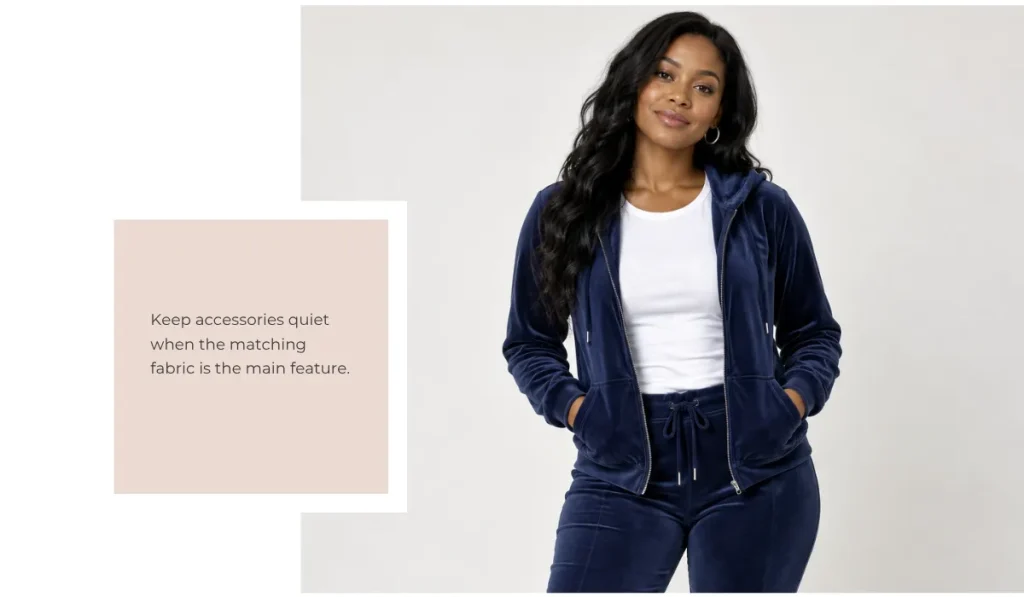
The pieces can work separately too. A velour hoodie with straight jeans feels different from the complete set, while matching trousers with a ribbed tank create a lighter combination. That flexibility matters more than reproducing a particular celebrity outfit.
Metallic Camisole and Black Trousers for an Evening
Combine a silver camisole with plain black trousers, a small bag, and low heels or polished flats. The reflective fabric supplies enough detail on its own. Add an opaque layer underneath if you prefer, or a jacket you can comfortably carry indoors.
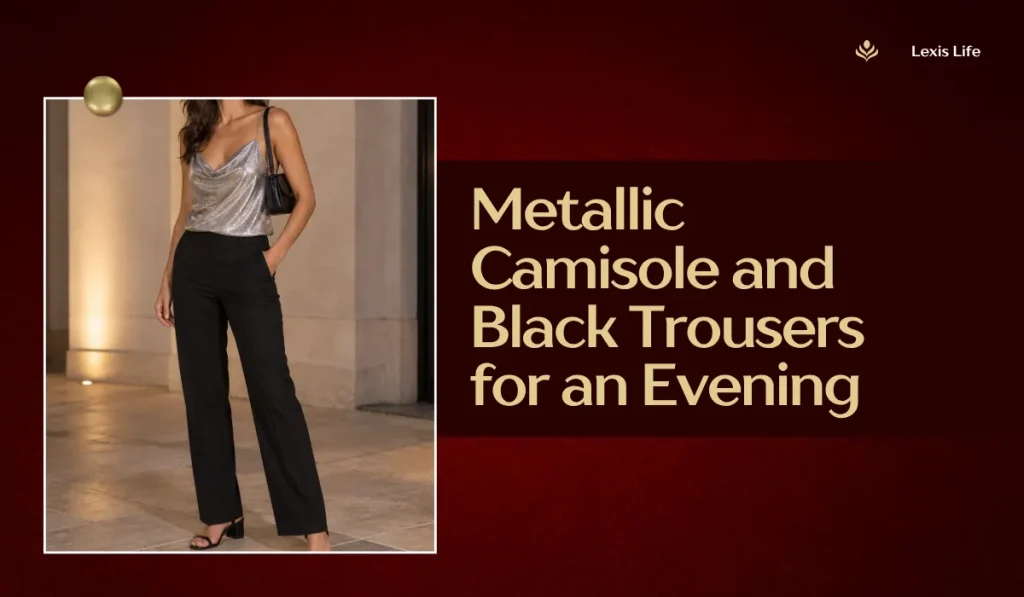
Sit down before leaving to check the neckline and straps. If the top feels delicate or inconvenient, swap it for a plain tank and move the silver finish to your bag or shoes. You keep the idea while changing where it appears.
Covered Layers With Cargo Trousers
Layer a camisole over a fitted long-sleeve tee and add loose cargo trousers. Keep the base layer smooth enough that the straps sit comfortably. A small shoulder bag and sneakers finish the combination without requiring exposed skin.
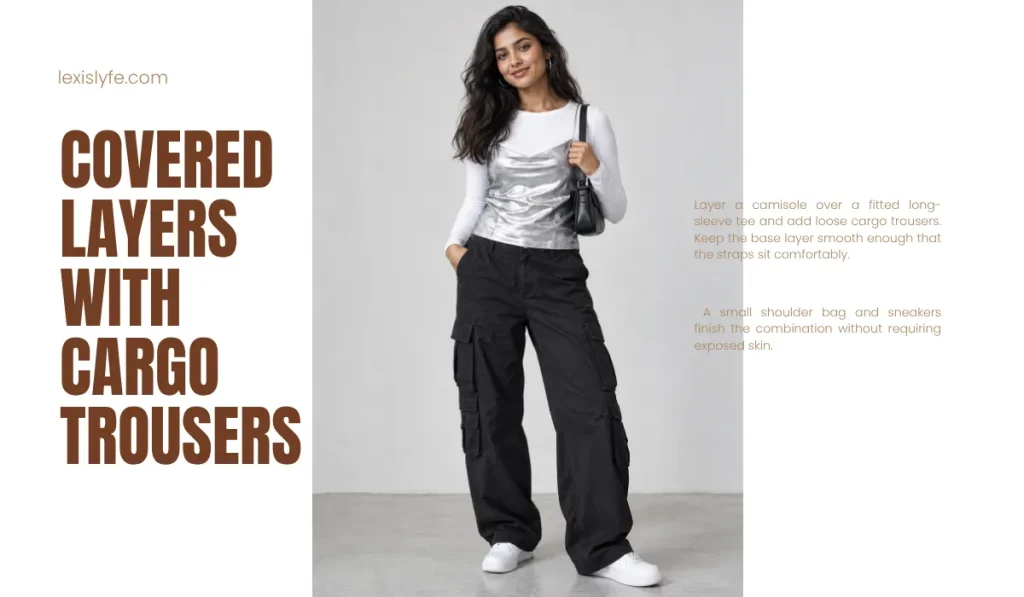
Readers searching for Y2K fashion trends for girls may mean teenagers or young adult women. The styling ideas here show adults. For younger wearers, adapt lengths, graphics, and accessories to personal comfort, school requirements, and the activities planned for the day.
How Can Men Wear Y2K Fashion?
Y2K menswear can combine loose denim, graphic tees, jerseys, track jackets, polos, and practical sneakers. Begin with a comfortable silhouette, then add one sportswear or accessory reference.
The style can be relaxed, minimal, or expressive. It does not depend on oversized logos, extreme proportions, or a complete recreation of an old photograph.
Jersey, Tee, and Loose Jeans
Wear a basketball-style jersey over a plain tee with relaxed denim and sneakers. If you follow a team, choose something meaningful to you. Otherwise, an unbranded sports top can provide the color blocking and shape without pretending to be team merchandise.
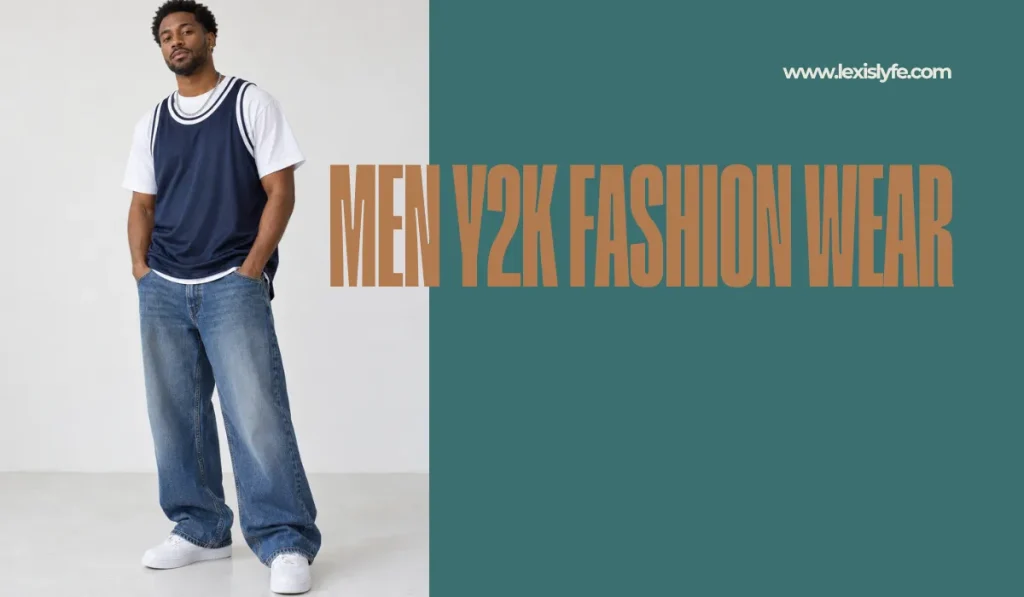
Watch the total length of the layers. A long tee and a long jersey over very loose jeans create a deliberately oversized outline. For a smaller change, keep the tee closer to your usual length and let the denim provide the volume.
Track Jacket With Straight Trousers
A navy track jacket over a white tee works with relaxed straight trousers or jeans. Keep the footwear clean and accessories simple if you want a subtle result. This combination can be especially useful when a cropped top or embellished bag is not your preference.
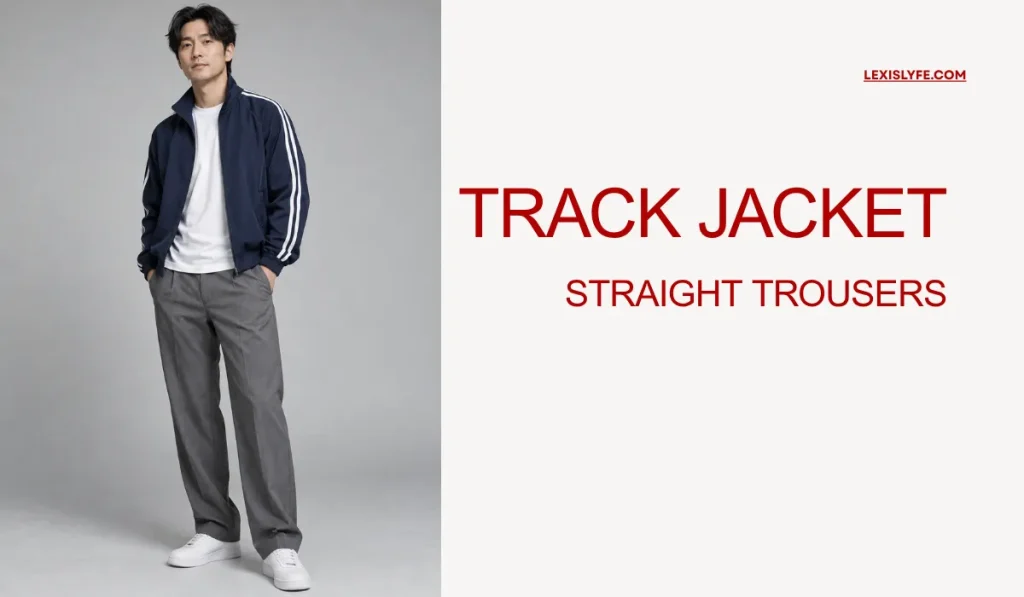
Check that the jacket layers comfortably over your tee and does not pull across the shoulders. You should be able to reach forward with the zip closed. Buy for the way you move, not just the outline in a product photograph.
Polo Shirt With Bootcut Denim
Pair a plain polo with dark bootcut jeans and loafers or simple sneakers. Leaving the collar flat gives you a quieter interpretation of preppy references. Add a belt only if the trousers need it or you want its buckle to remain visible.
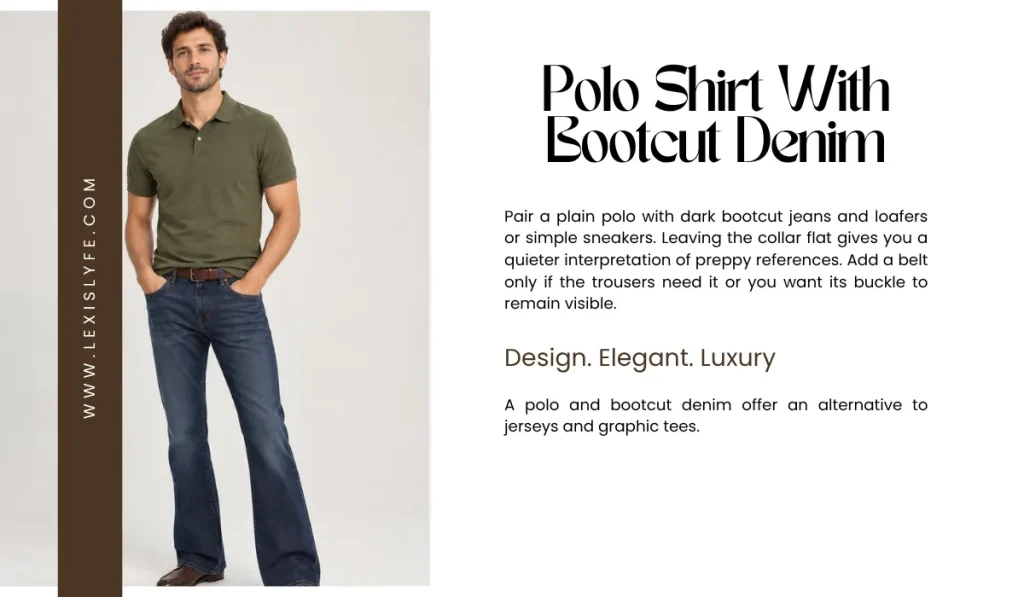
Use the polo’s length to control the result. A shorter untucked hem can keep the shape compact, while a longer shirt produces a looser outline. If the fabric bunches at the waistband, try a different length before changing sizes.
Denim Jacket With a Different Wash of Jeans
Try a medium-blue jacket with darker jeans and a plain white tee. Keeping the wash contrast obvious makes the combination easy to read. Wear the jacket open and choose shoes that do not compete with the denim.
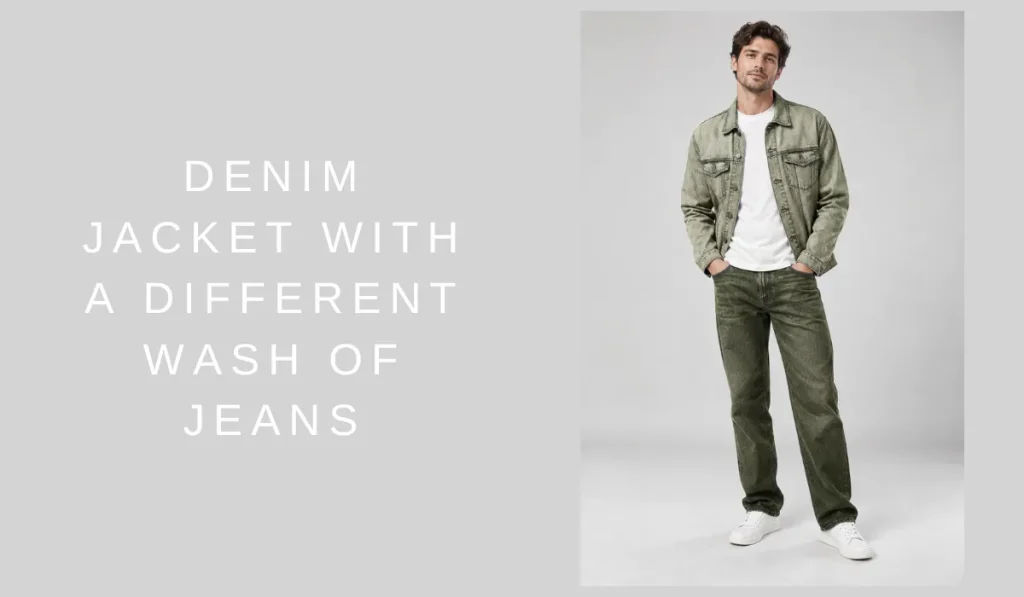
For anyone exploring Y2K men’s fashion, older labels such as FUBU, Rocawear, Sean John, and Ecko can be research starting points. A historical association does not verify a resale item’s age, condition, or authenticity. Check the actual garment rather than buying only for the label.
Tall tees, sweatbands, popped collars, shutter shades, and throwback jerseys also appear in broader 2000s references. Choose the elements you enjoy instead of stacking them all together. AND1 belongs to a basketball reference; it is not a requirement for the entire aesthetic.
Braided hairstyles have histories beyond this fashion label. Treat hair as a personal choice, with its own cultural context and care needs, rather than something an outfit must include to qualify.
How Can You Adapt the Style to Your Fit and Coverage Preferences?
Adapt garment measurements, lengths, fabrics, and layers to your needs while keeping the details you enjoy. You can use a different waistband height, longer top, adjustable fastening, or roomier cut.
No size or gender category owns a silhouette, and no one needs to make their body match an old fashion image.
Plus-Size, Petite, Tall, and Seated Fit Checks
For a plus-size outfit, decide where you want ease and where you want a closer fit. A fitted top with wide jeans is one possibility; an oversized tee with equally loose cargos is another. There is no need to add a waist-defining layer unless you like it.
Petite and tall shoppers should check inseam, knee position, rise, and torso length separately. A trouser leg that is easy to hem may still have pockets or a knee break in the wrong place for your preferred fit. The size label cannot answer all those questions.
If you spend much of the day seated, test waistbands, zips, seams, and pockets in that position. A lower front waistband might feel useful, while a low back waistband may provide less coverage than you want. Check both instead of deciding from a standing photograph.
Gender-Neutral and Masculine or Feminine Styling
An oversized tee, cargo trousers, sneakers, and a silver bag make a combination that can move across shop categories. You can change the neckline, jewelry, or trouser shape without needing a new label for the outfit.
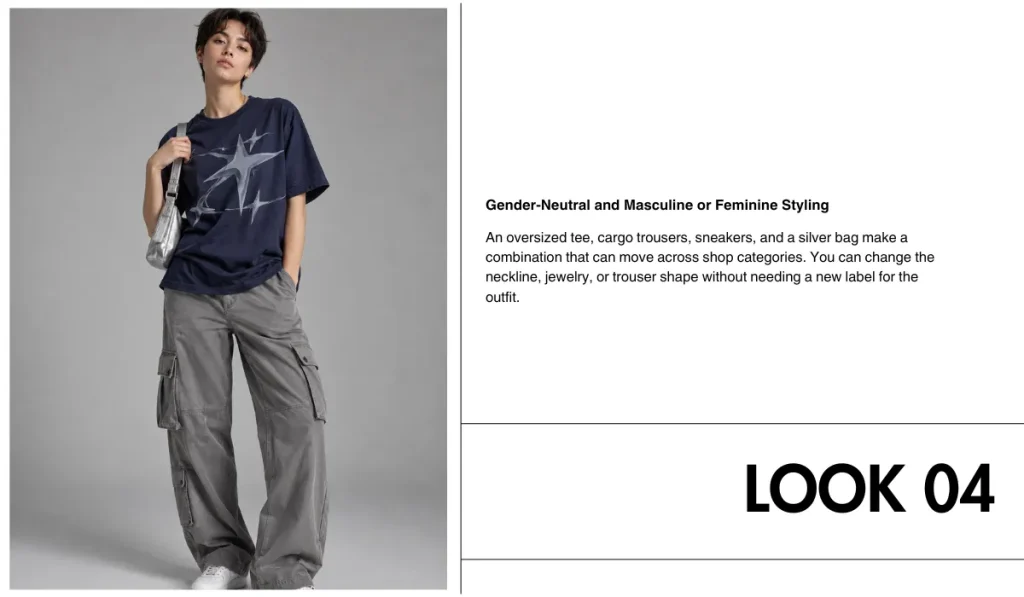
Use these checks before deciding:
- Can you sit and bend without repeatedly adjusting the waistband?
- Do the pockets remain comfortable when you place your phone inside?
- Can you reach forward without the top or jacket pulling?
- Do the shoes and trouser hems work together when you walk?
- Will the layers give you the coverage and temperature you want?
What Works in Different Seasons and Settings?
Keep the same outfit idea while adjusting fabric weight, coverage, layers, and shoes for the actual forecast and dress code.
Cotton tanks, lightweight cargos, and sandals suit warmer days. Hoodies, outerwear, and substantial footwear suit colder conditions. Small accessories can preserve the reference when practical layers cover most of the outfit.
Warm Days and Summer Outfits
A ribbed tank with lightweight cargo shorts is a practical starting point. Add a bucket hat or compact shoulder bag if you want more detail. Check the fabric’s opacity and comfort in strong light before wearing it for a full day outside.
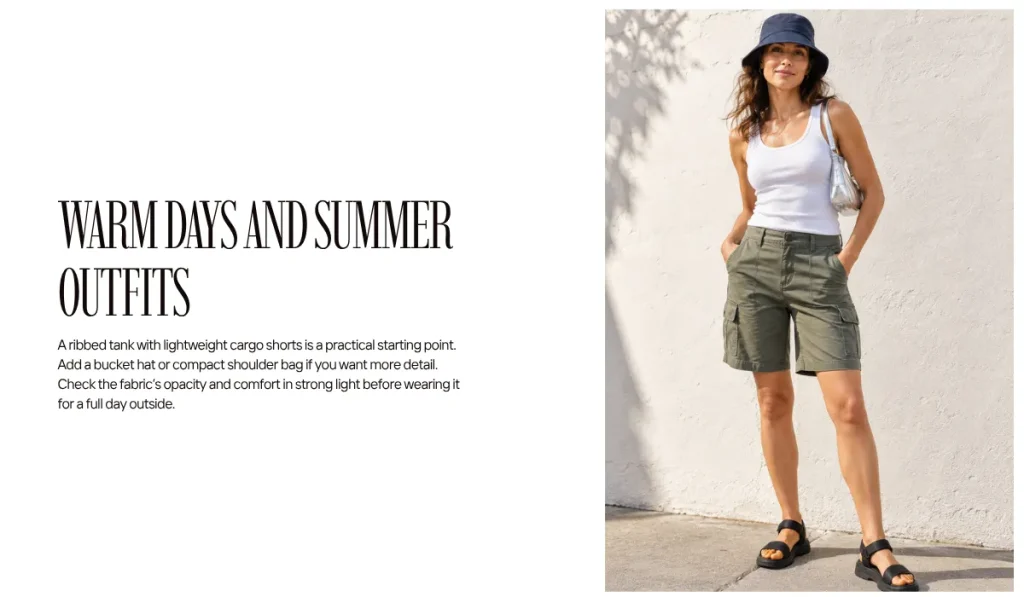
A crochet layer can also work over an opaque tank, but open texture does not make every garment cool. Dense yarn, multiple layers, and the fiber itself all affect how the clothing feels. Choose for your conditions rather than the photograph’s season label.
Cold Days and Wet Commutes
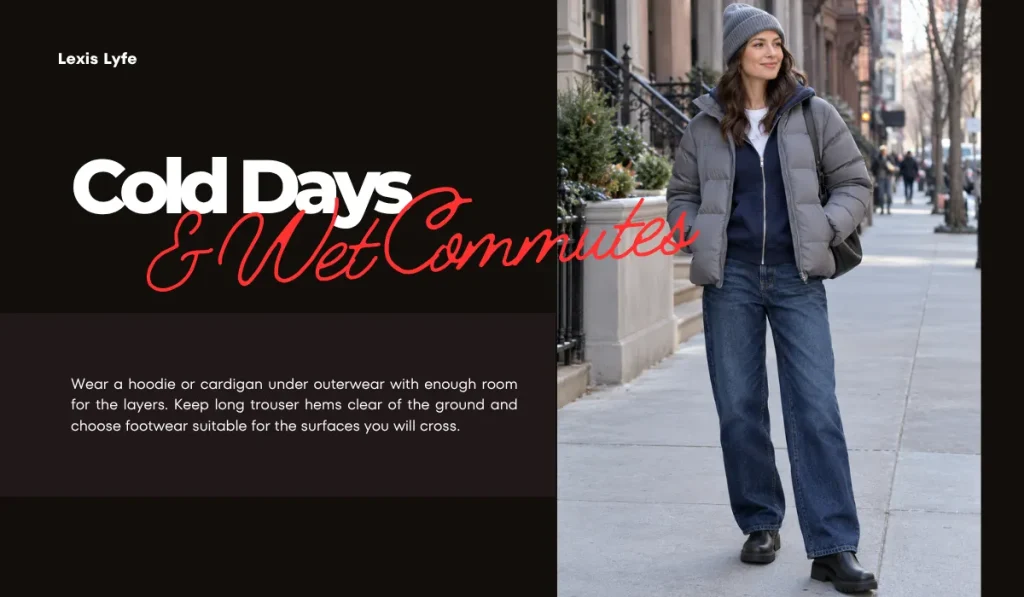
Wear a hoodie or cardigan under outerwear with enough room for the layers. Keep long trouser hems clear of the ground and choose footwear suitable for the surfaces you will cross.
A beanie, shoulder bag, or visible track-jacket collar can carry the reference.
The US, Canada, UK, and Australia contain very different climates. Dress for your local conditions and remember that Australian seasons run opposite to those in the Northern Hemisphere. A search result’s publication month is not a reliable guide to what you need outdoors today.
Offices, Classrooms, and Theme Parties
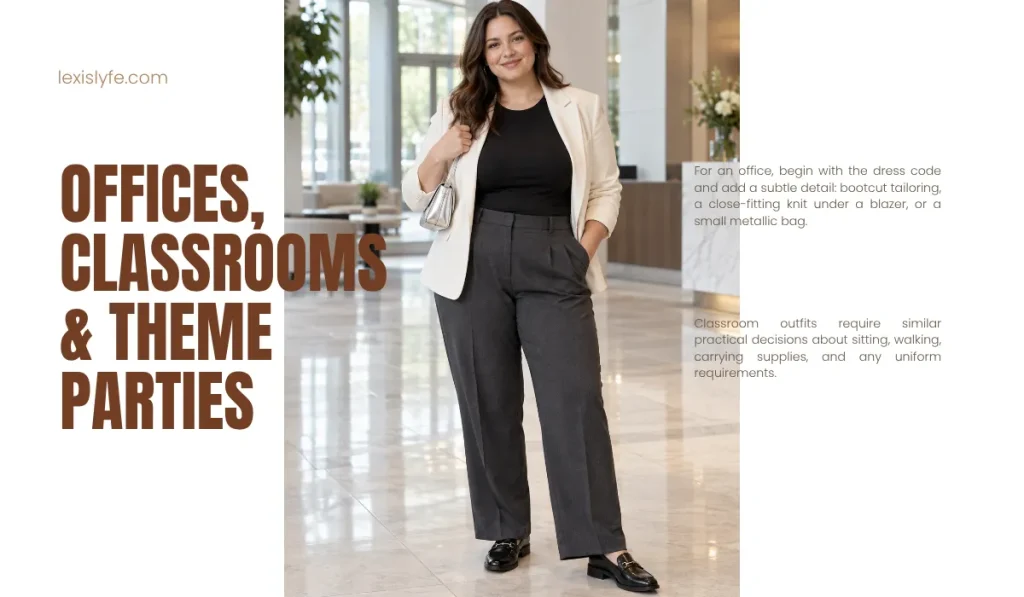
For an office, begin with the dress code and add a subtle detail: bootcut tailoring, a close-fitting knit under a blazer, or a small metallic bag. Classroom outfits require similar practical decisions about sitting, walking, carrying supplies, and any uniform requirements.
Theme parties allow a stronger combination, such as a coordinated tracksuit with playful accessories. Choose a coherent direction before adding extras. Several recognizable pieces from one outfit idea will look more deliberate than an assortment of unrelated decade references.
How Can You Shop Secondhand and Build a Small Wardrobe?
Search for garment details, compare measurements with clothes you own, and inspect condition before paying.
Build around pieces that work in several combinations instead of buying a complete trend outfit at once. Vintage and newly made clothing can both suit the look, but a seller’s aesthetic label does not establish a garment’s age.
Search by Shape, Fabric, and Detail
Useful searches describe what you want: bootcut denim, zip track jacket, ribbed fitted tee, nylon shoulder bag, or velour trousers.
Add your required measurements or fabric preference where the marketplace allows. Broad aesthetic searches can help with inspiration but may return unrelated merchandise.
If resale shopping is new to you, our guide explaining how buying and selling on Depop works covers the marketplace process. Use actual photographs, measurements, and the transaction’s current terms to assess a particular listing.
Inspect these details closely:
- Jeans: Inner thighs, crotch seams, hems, waistband, and zip.
- Velour: Knees, seat, cuffs, stretched elastic, and worn pile.
- Bags: Strap attachments, lining, fastenings, and coating condition.
- Embellished items: Loose stones, missing decorations, and repairs.
- Shoes: Soles, lining, fastenings, and signs of material breakdown.
For printed graphic tees, the buying questions differ from vintage authentication. Our TeePublic buyer checks cover garment choice, measurements, print expectations, and order terms.
A nostalgic print on a new shirt is still a new shirt.
Understand the Words Used in a Listing
Original-era garment: A piece made during the period being referenced. Establishing that date requires evidence beyond a trend label.
Reissue: A later release of an earlier design or collection. Check the brand’s information for the particular item.
Y2K-inspired: A piece using relevant shapes or details that may have been made recently. Inspiration does not imply historical age.
Ask for the measurements that would change your decision. For trousers, that may include:
- Waist
- Front rise
- Back rise
- Hips
- Inseam
- Leg opening
Check whether the seller measured the garment flat, doubled a flat measurement, or supplied a brand chart.
Compare inches and centimeters explicitly. A label from another country or decade may not match the size you buy today. If your decision depends on stretch, ask about the fabric composition and compare it with a garment whose fit you already understand.
Build Combinations Before Buying More
Build a small Y2K wardrobe around jeans or cargos, two tops, one layer, everyday shoes, and a useful bag. You may already own most of them.
Write down complete combinations so you can identify the one missing item instead of collecting five statement pieces with nothing to connect them.
For example, jeans work with a fitted tee, a tank under a track jacket, or a camisole under a cardigan. Cargo trousers can use the same tops and shoes. Changing one accessory gives you a different finish without another complete purchase.
Use this small wardrobe check:
- Lay out clothes you already wear comfortably.
- Make three complete outfits around one preferred bottom.
- Note any practical gap, such as a layer or suitable shoes.
- Set a spending limit before browsing.
- Buy only after the measurements and condition answer your questions.
Check the final checkout total, shipping, applicable taxes, and return terms for your destination.
This is especially useful when ordering across the US, Canada, UK, and Australia. Compare complete purchase costs instead of treating an advertised item price as the whole cost.
Which Common Mistakes Should You Avoid?
The main mistakes are buying for a label instead of fit, mixing more references than you enjoy, ignoring condition, and treating discomfort as part of the aesthetic.
Keep the outfit specific enough to express your taste and practical enough to repeat. You do not need every recognizable piece to make the idea clear.
Avoid these shortcuts:
- Assuming baggy means low-rise. Read both the rise and leg measurements.
- Treating all 2000s clothing as one style. Separate the reference you want from a broad decade label.
- Confusing modern inspiration with vintage age. Ask for evidence if the date affects the price you will pay.
- Choosing a bag that cannot hold your essentials. Check its dimensions and opening.
- Ignoring hems and footwear. Try the combination in motion before making alterations.
- Copying old body expectations. Adapt the clothes to your comfort and preferences.
Another mistake is buying the dramatic version before trying the simple one.
If silver trousers interest you, test a metallic bag with your existing clothes first. You may discover that a small detail provides all the shine you wanted, or that you would enjoy going further.
Frequently Asked Questions
These answers cover common questions about the term, its essential pieces, and wearing it in everyday life. Treat the suggestions as starting points rather than requirements.
The useful question is which detail, shape, or combination you enjoy and can wear comfortably, not whether you have copied a complete historical outfit.
Conclusion
Build your first outfit around one reference you like, then choose the shape and practical details that make it wearable.
A baby tee and jeans, a track jacket with relaxed trousers, or a silver accessory can be enough. The best starting point is a complete combination you can make from clothes you already own.
Try it while sitting, walking, and carrying your everyday bag. Change any part that requires constant adjustment.
Once the outfit works for your life, you can decide whether you want another layer, a stronger color, or simply another chance to wear the same combination.